Refining Athletic Prediction Models Through Subscriber Input Across Multiple Seasons
Sam Hughes · Sep 28, 2026
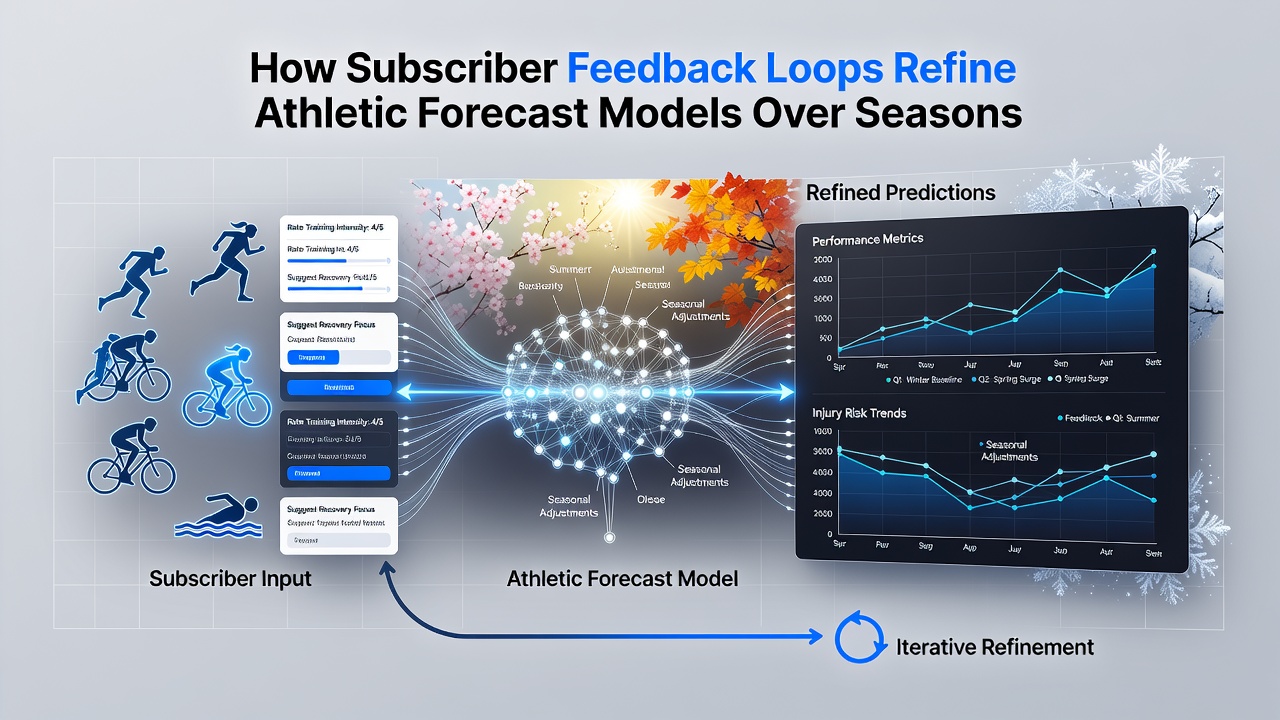
Refining Athletic Prediction Models Through Subscriber Input Across Multiple Seasons
Subscriber feedback loops operate as structured systems where users submit outcomes, accuracy ratings, and contextual notes on predictions, allowing model developers to recalibrate variables season after season. These loops collect data on forecast errors, such as misjudged player performance metrics or overlooked environmental factors, then feed that information back into algorithmic training sets for refinement. Research from academic institutions shows that repeated cycles of input and adjustment lead to measurable gains in precision over time, particularly when models incorporate seasonal patterns like weather impacts or roster changes.
Mechanics of Data Collection in Feedback Systems
Platforms gather subscriber comments through structured forms and performance dashboards, recording details like predicted versus actual scores along with notes on variables such as injury timing or officiating decisions. This information aggregates into large datasets that analysts review for recurring discrepancies, enabling targeted updates to weighting factors in the models. Data indicates that consistent collection across thousands of predictions per season provides the volume needed for statistical significance, while smaller samples often fail to reveal subtle biases in early iterations.
Seasonal Adjustments Based on Aggregated Input
Each off-season period allows teams to integrate feedback from the prior campaign, adjusting parameters for elements like team fatigue trends or league rule modifications. One study from the University of Michigan's sports analytics group revealed that models updated with subscriber-verified data achieved lower mean absolute errors in subsequent seasons compared to static versions. Observers note that this process repeats annually, with adjustments compounding as historical feedback layers accumulate, creating more robust projections for upcoming schedules.
Feedback often highlights edge cases that initial algorithms overlook, such as rare matchup dynamics or venue-specific effects, prompting developers to expand feature sets accordingly. Platforms in regions like Australia have documented similar patterns through reports from teh Australian Sports Commission, where user-reported data refined predictions for cricket and rugby events over multiple years. The result appears in improved calibration for probability outputs, where forecasts align more closely with observed frequencies.
Integration of Real-Time and Historical Feedback
Systems combine immediate post-event submissions with archived records to identify both short-term anomalies and long-term shifts in athletic performance. This dual approach helps distinguish temporary fluctuations, like those from mid-season coaching changes, from enduring trends that require permanent model updates. Figures from industry analyses show that platforms maintaining detailed logs of subscriber corrections sustain higher accuracy rates across five-year spans than those relying solely on internal testing.
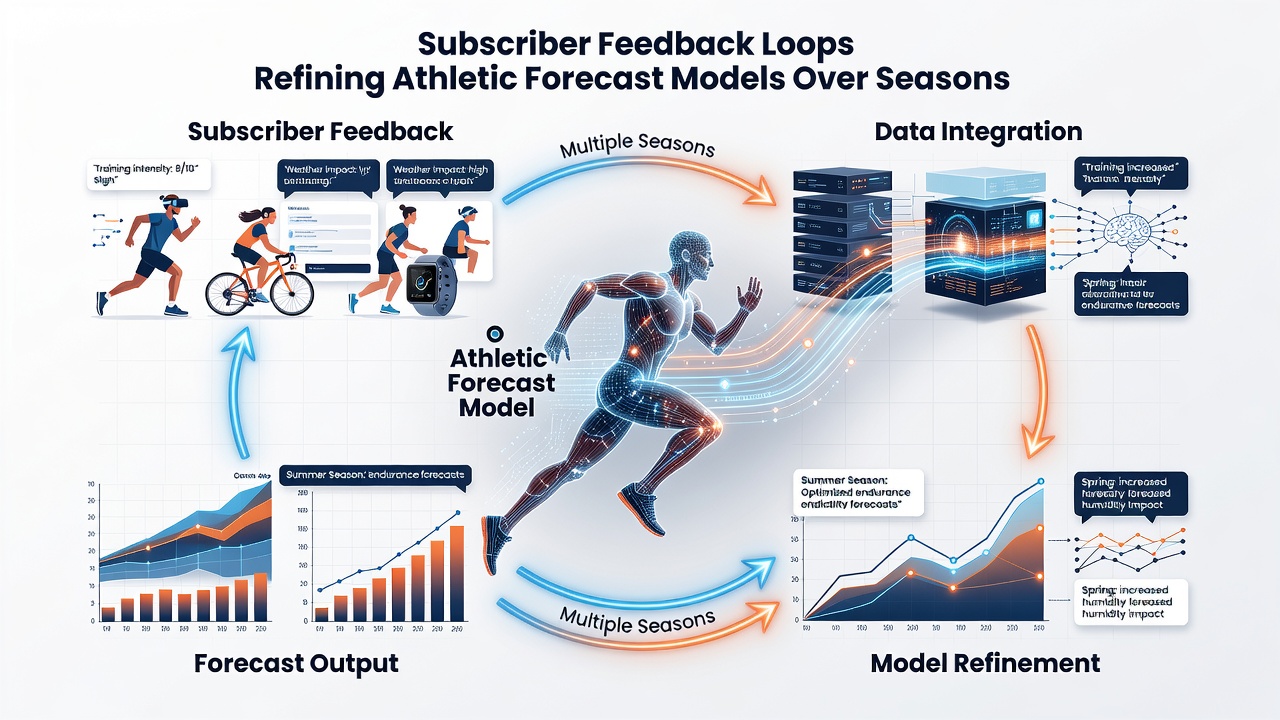
By September 2026, several services plan expanded interfaces that allow subscribers to tag specific data points for faster processing, building on existing frameworks already in use. Such enhancements aim to shorten the time between feedback receipt and model deployment, particularly ahead of new league seasons. Experts have observed that these streamlined loops reduce lag in incorporating variables like emerging player statistics or travel schedule impacts.
Case Examples of Model Improvement Over Time
Take one European research initiative that tracked feedback-driven changes in football outcome models across four consecutive seasons. The project documented a progressive decline in prediction variance as subscriber notes on referee tendencies and squad rotations accumulated. Similar patterns emerged in North American basketball forecasts, where aggregated user data helped recalibrate for load management practices that altered traditional performance baselines.
Those who have examined these systems note that feedback volume matters, yet quality controls such as verification steps prevent outliers from skewing results. Platforms that implement rating systems for contributor reliability achieve steadier refinements, according to reports from Canadian research bodies focused on data-driven sports analysis. This selective integration ensures models evolve without incorporating noise from unverified entries.
Challenges in Maintaining Effective Loops
Scalability presents ongoing considerations, as growing subscriber bases generate larger volumes of input that require automated filtering before manual review. Developers address this through machine learning classifiers that prioritize high-impact feedback for immediate attention. Evidence from longitudinal studies suggests that without such prioritization, key insights can become buried, delaying seasonal improvements.
Geographic diversity in feedback sources also influences model robustness, with contributions from different leagues providing comparative data points. Regulatory frameworks in the European Union, including guidelines from the European Commission on data practices, shape how platforms handle and anonymize subscriber submissions during these processes. This structure supports compliance while preserving the utility of the collected information for model training.
Conclusion
Subscriber feedback loops continue to serve as core mechanisms for evolving athletic forecast models, with each season adding layers of verified data that enhance predictive reliability. The process relies on systematic collection, careful integration, and iterative testing to translate user observations into algorithmic advancements. Ongoing developments through 2026 and beyond indicate further refinement of these systems as data volumes and processing techniques advance.