Methods for Combining Seasonal Data and Their Impact on Prediction Service Durability
Sam Hughes · Oct 26, 2026
Methods for Combining Seasonal Data and Their Impact on Prediction Service Durability
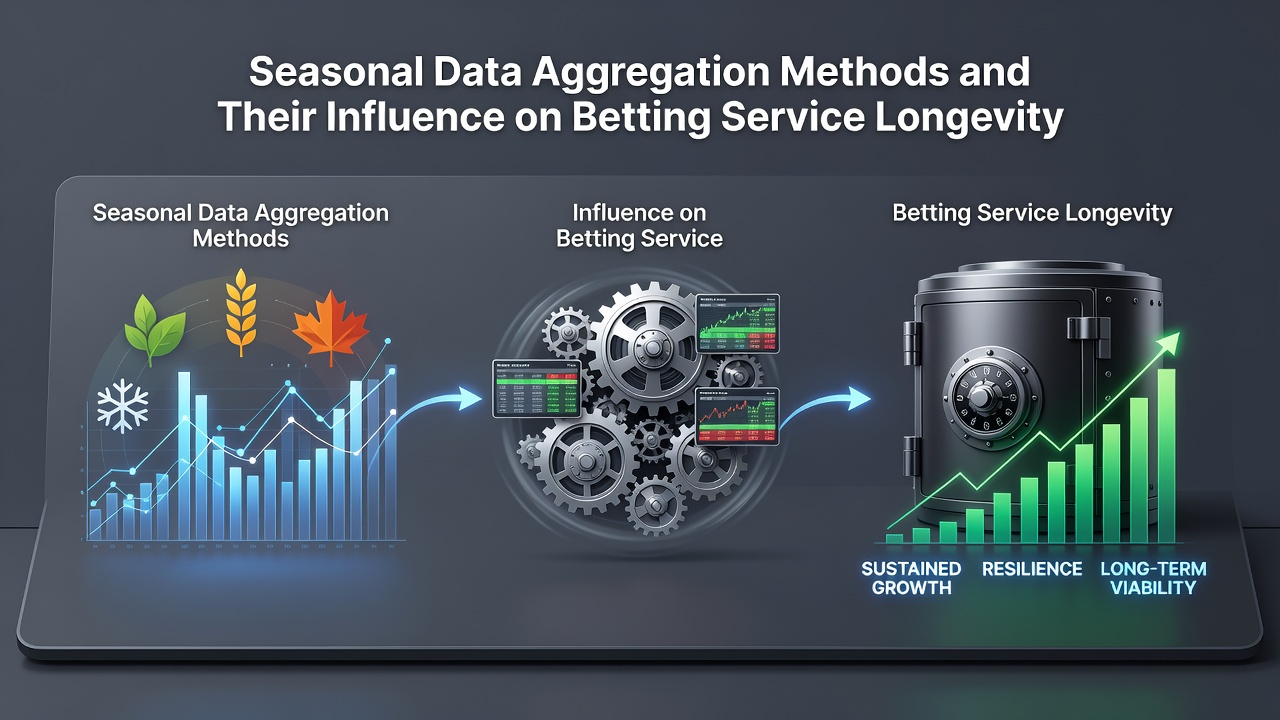
Seasonal data aggregation involves collecting performance metrics, environmental variables, and outcome records from distinct athletic periods then merging them into unified datasets that span multiple years. Researchers have documented how these combined datasets allow prediction platforms to adjust for cyclical patterns such as weather shifts, player roster changes, and rule modifications that occur at regular intervals. In October 2026 new seasons across several major leagues began generating fresh statistics that services immediately folded into existing archives to maintain continuity.
Core Aggregation Techniques in Use
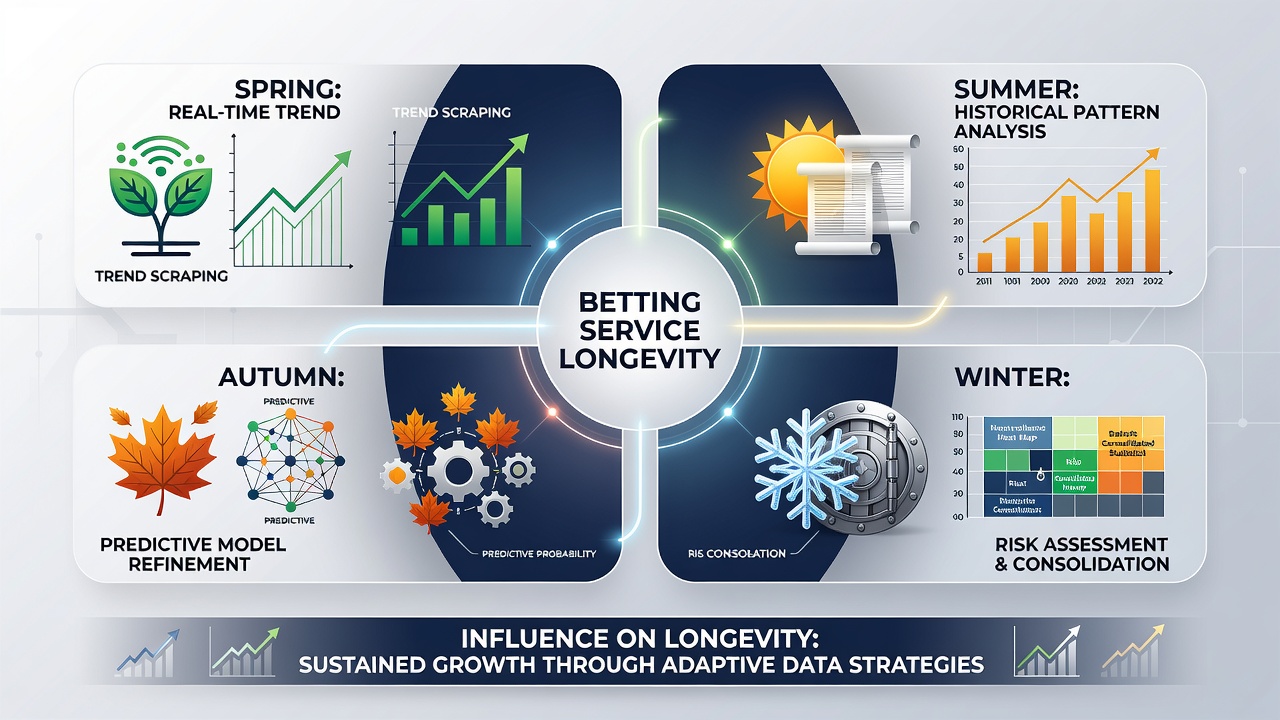
One common approach applies weighted rolling windows that assign higher importance to the most recent season while retaining earlier periods for baseline comparisons. Another technique employs seasonal decomposition models that isolate recurring components like home-field advantages or injury recovery timelines before recombining them with current inputs. Data scientists at various research institutions have tested these methods on historical league records and found that platforms using multi-season aggregation experience slower degradation in forecast accuracy compared with those relying solely on single-year snapshots.
Yet the process extends beyond simple averaging. Teams often incorporate external factors such as travel schedules and venue-specific statistics that vary by season. Observers note that services integrating these layers produce more stable projections over five-year or longer horizons because the aggregated records capture both short-term fluctuations adn longer-term trends.
Effects on Platform Longevity
Betting advisory services that consistently aggregate seasonal data demonstrate extended operational lifespans according to industry reports. Retention rates improve when subscribers receive forecasts that adapt to evolving conditions rather than repeating outdated patterns. Figures from academic studies reveal that platforms maintaining comprehensive seasonal archives retain user engagement at higher levels through successive league cycles because accuracy remains within acceptable bounds longer.
Take one analysis conducted by researchers at the University of Nevada, Las Vegas that examined multiple forecasting frameworks over a decade. The study showed that aggregation methods incorporating at least four prior seasons reduced cumulative error rates by measurable margins each year, directly correlating with continued platform viability. Services without such aggregation tended to see subscriber numbers decline after two or three seasons once initial novelty faded and prediction drift became apparent.
Implementation Challenges and Adjustments
Handling missing or incomplete seasonal records requires careful imputation strategies that preserve overall dataset integrity. Platforms address gaps by cross-referencing league archives and supplementary sources such as official athletic association databases. Those who studied this process found that transparent documentation of aggregation rules builds subscriber trust and supports longer service lifecycles because users understand how predictions evolve.
Another consideration involves computational scaling as datasets grow. Efficient indexing and sampling techniques allow services to query multi-year collections without excessive delays, which matters for real-time updates during active seasons. Reports from the Canadian Centre on Substance Use and Addiction highlight how data-handling standards in regulated environments encourage systematic aggregation practices that indirectly promote sustainable operations.
Regional Variations in Practice
Approaches differ by jurisdiction because regulatory frameworks influence data access and retention policies. In Australia, for instance, the Australian Institute of Health and Welfare has published guidelines on responsible data use that affect how betting-related analytics incorporate seasonal records. European operators meanwhile reference reports from the European Gaming and Betting Association when refining aggregation protocols to align with cross-border standards. These regional differences produce varied longevity outcomes depending on how strictly seasonal data must be anonymized or archived.
Conclusion
Seasonal data aggregation methods continue to shape the durability of athletic outcome prediction services through structured combination of historical and current records. Evidence from multiple studies indicates that platforms adopting these techniques maintain higher accuracy levels across extended periods, supporting subscriber retention and operational continuity. As new seasons unfold in October 2026 and beyond, services that refine aggregation protocols stand positioned to sustain performance by adapting to accumulated patterns rather than isolated snapshots.